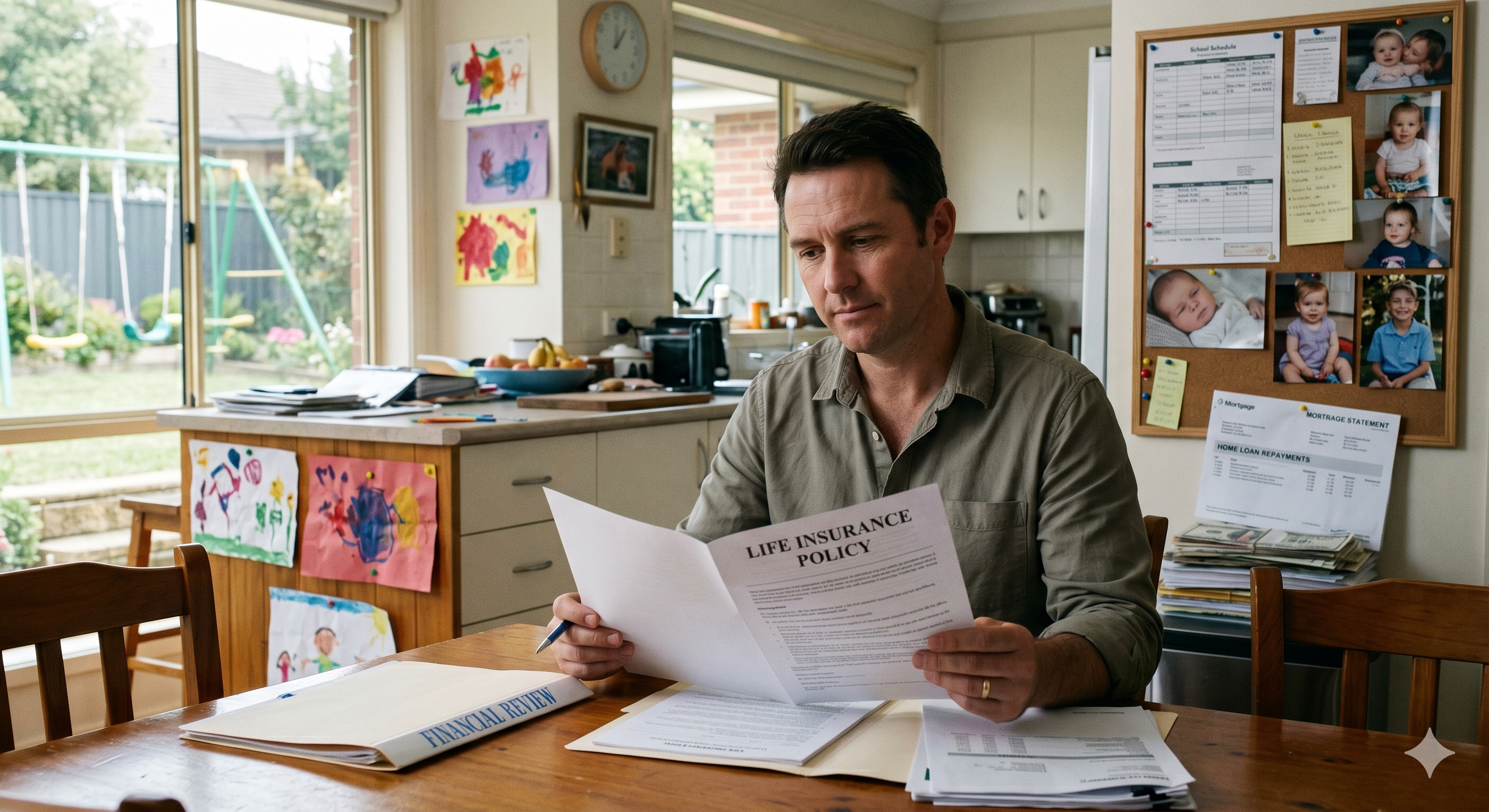

When comparing life insurance policies, one of the most common questions is: Why are premiums so different from person to person?
The answer lies in how insurers assess risk. Life insurance is highly personalised, which means your premium is based on your unique profile, not just the type of cover you choose.
1. Age, Health, and Occupation
Your age is one of the biggest factors. Generally, the younger you are when you take out cover, the lower your premium. This is because the likelihood of illness or claims increases over time.
Health also plays a major role. During the application process, insurers assess your medical history, lifestyle, and even family health background. If there are higher risks identified, premiums may increase, or certain conditions may be excluded.
Occupation is another key factor. Jobs that involve physical risk or hazardous environments may lead to higher premiums due to increased claim likelihood. Insurers specifically assess occupation, income, lifestyle, and medical history during underwriting to determine pricing.
2. Smoking Status
Smoking is one of the clearest pricing differences in life insurance. Smokers typically pay significantly higher premiums than non-smokers due to increased health risks.
Even occasional smoking or vaping may be classified as a smoker status, depending on the insurer, which can materially affect your premium over the life of the policy.
3. Cover Amount and Structure
The level of cover you choose directly impacts your premium. A higher sum insured means a higher cost, as the insurer is taking on more financial risk.
However, it’s not just about the amount. The way your policy is structured also matters. For example, policies can include combinations of Life Cover, TPD, Trauma, or Income Protection, and these can be arranged as standalone or linked benefits. Different structures can influence both pricing and how benefits are paid.
This flexibility allows policies to be tailored, but it also explains why two seemingly similar policies can have very different premiums.
4. Why is Cheap ≠ Suitable
It’s tempting to choose the cheapest option, but this can lead to gaps in cover. Lower premiums may mean fewer benefits, stricter definitions, or limitations that only become clear at claim time.
Life insurance is designed to protect your financial future, not just reduce your monthly expenses. A policy that looks cheaper upfront may not provide adequate support when it matters most.
The key is finding the right balance between affordability and meaningful protection—based on your personal situation.
Final Thought
Life insurance premiums are not random; they reflect your individual risk profile and the way your coverage is designed. Understanding these factors can help you make a more informed decision, rather than simply choosing based on price.
Understand why life insurance premiums vary between individuals in Australia and what factors impact the cost of your cover.
Ready to get started?
Book a chat with a Finance & Mortgage Broker at Flatmart today.
General Advice Warning: The information provided in this article is of a general nature only and has been prepared without taking into account your individual objectives, financial situation, or needs. Before making any decisions, you should consider the appropriateness of the information and read the relevant Product Disclosure Statements (PDS).
Sources
- AIA Priority Protection PDS (15 Dec 2024) - Underwriting factors and risk assessment pp.4–6
- OneCare PDS (1 Oct 2024) - Policy structure and cover options pp.8–9
- Encompass Protection PDS (16 May 2025) - Premiums and policy structure overview pp.53–55
- TAL Accelerated Protection PDS (12 Dec 2024) - Premium variability and policy risks pp.30–31