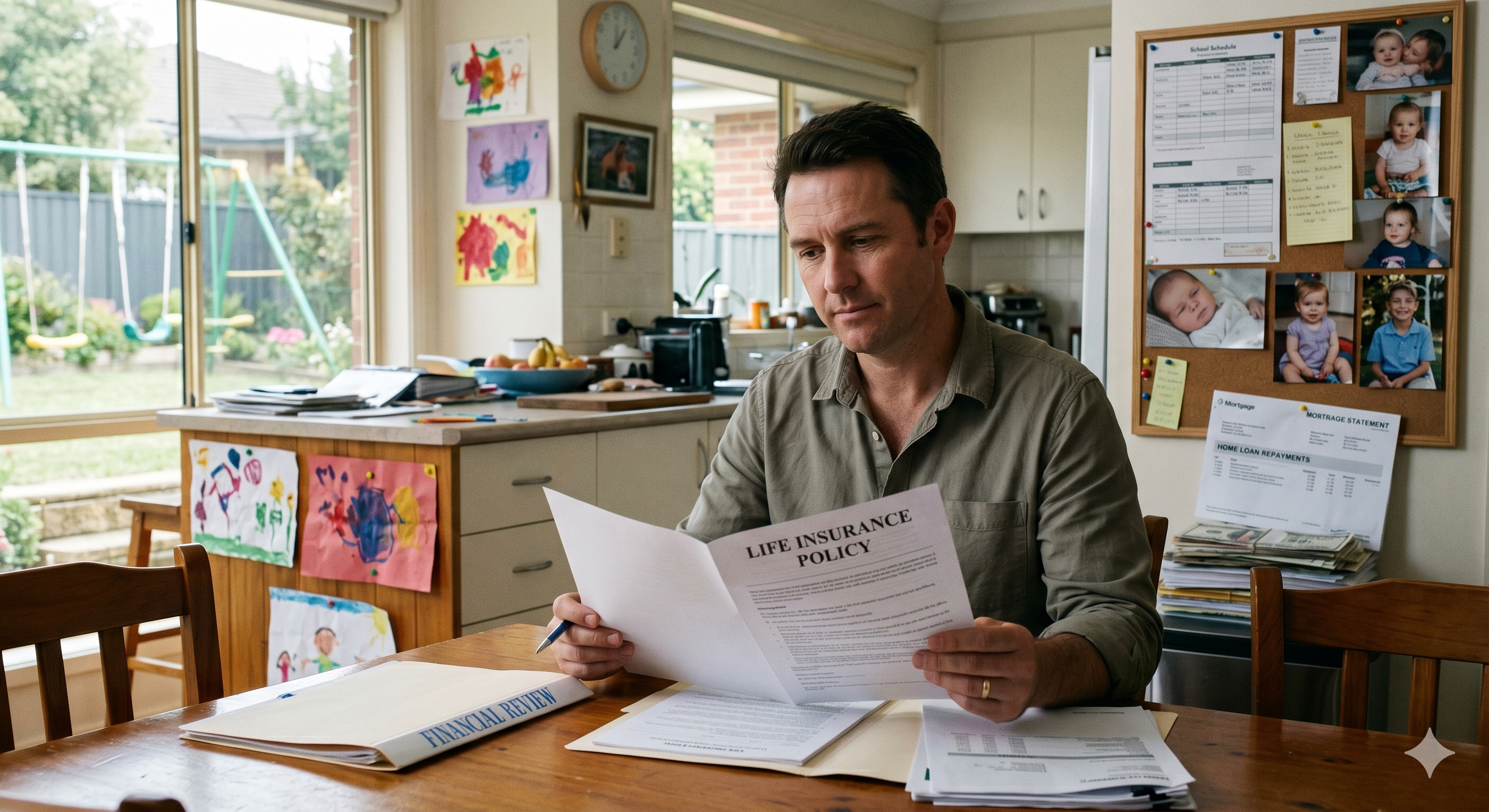

Locking in a fixed interest rate makes sense at different stages of life for different reasons.
A buyer in their mid-twenties with a 5% deposit needs protection from payment increases while their income grows. A buyer in their late thirties with established savings might lock in certainty before starting a family. Someone approaching fifty with equity from a previous property sale often prioritises repayment speed over flexibility. The structure that works depends on where you are now and where your income is heading over the next three to five years.
Fixed Rates When You're Starting Out With a Low Deposit
Younger buyers entering Marrickville's market through schemes like the First Home Loan Deposit Scheme face a distinct challenge: managing repayments on a tighter budget while income is still building. A fixed rate protects against payment shocks during the period when you have the least financial buffer.
Consider a buyer who secures a unit near Marrickville Station with a 5% deposit. Their borrowing sits at 95% of the property value, which triggers Lenders Mortgage Insurance and creates higher monthly commitments. Fixing the rate for three years gives them predictable repayments while they establish their career progression and build savings. The downside is limited access to features like an offset account, which many fixed products either exclude or cap at lower balances. In our experience, buyers in this position often prioritise payment certainty over offset flexibility because they don't yet have substantial savings to park in an offset.
The decision point here is whether to fix the entire loan or split it. A full fix provides maximum certainty but removes all flexibility for extra repayments beyond the annual limit, typically $10,000 to $30,000 depending on the lender. Splitting the loan - fixing 70% and keeping 30% variable - preserves some capacity to make additional repayments as income increases without triggering break costs.
Mid-Career Buyers With Larger Deposits and Growing Incomes
Buyers in their mid-thirties to early forties usually enter the market with a 10% to 20% deposit and more established income. Their concern shifts from sheer affordability to optimising repayment structure around life changes.
A buyer purchasing a terrace in the streets around Addison Road with a 15% deposit and two incomes might fix their rate for two to four years while planning for parental leave. The fixed portion provides certainty during the period when one income temporarily drops, while a variable portion with redraw or offset accommodates any bonuses or inheritances they expect to receive. This split structure addresses two competing needs: protection during reduced income and the ability to accelerate repayments when circumstances allow.
Ready to get started?
Book a chat with a Finance & Mortgage Broker at Flatmart today.
The distinction between redraw and offset matters more at this stage. Redraw facilities let you withdraw extra repayments you've already made, but access isn't guaranteed and some lenders restrict it. An offset account keeps your savings separate from the loan while reducing interest charged on the full balance. For buyers with established savings patterns, the offset typically provides more control. Lenders offering fixed-rate loans with full offset access are less common and often charge a slightly higher rate for that feature, so the choice involves calculating whether the offset benefit justifies the rate difference.
How First Home Buyer Stamp Duty Concessions Affect Your Fixed Rate Decision
Marrickville sits within the Inner West Council area, where median property prices for units and houses often fall within the thresholds for first home buyer stamp duty concessions in New South Wales. The concession reduces your upfront costs, which affects how much you need to borrow and therefore how much interest rate movement impacts your repayments.
When your loan amount sits just below a borrowing threshold - say $650,000 rather than $700,000 - even a 0.5% rate increase has a measurable monthly impact. Buyers who've used the stamp duty concession to minimise their deposit often have less cash reserves remaining after settlement. A fixed rate provides breathing room during the first two to three years when you're rebuilding savings and adjusting to ownership costs like strata levies and council rates, both of which are factored into your home loan application serviceability but can still surprise new owners.
Late Entry Buyers With Equity or Parental Support
Buyers entering the market later, often in their late forties or fifties, frequently have different priorities. They might be purchasing after divorce, receiving an inheritance, or benefiting from a gift deposit from family. Their income is typically at its peak, but their timeline to pay off the loan before retirement is shorter.
In a scenario like this, a buyer might purchase a property near Sydenham Road with a 30% deposit from combined savings and a parental gift. Rather than seeking payment certainty, they're focused on minimising total interest paid over a shorter loan term. Fixing the rate for two years while aggressively paying down the variable portion lets them lock in a known cost for part of the loan while directing surplus income toward the flexible portion. Once the fixed term ends, they can reassess whether to refix based on how much principal they've reduced and how close they are to retirement.
The risk for this group is fixing too much of the loan at a rate that becomes uncompetitive, then facing substantial break costs if they want to refinance or sell earlier than planned. Break costs are calculated based on the difference between your fixed rate and the lender's current wholesale cost of funds for the remaining fixed period. If rates drop significantly after you fix, those costs can run into tens of thousands of dollars on a large loan balance.
What Pre-Approval Tells You About Your Fixed Rate Options
Getting pre-approval before you start viewing properties clarifies which lenders will offer you fixed rates and under what conditions. Some lenders reserve their lowest fixed rates for borrowers with deposits above 20%, while others offer similar rates across all deposit levels but charge higher upfront fees.
Pre-approval also reveals whether you qualify for interest rate discounts based on your loan size or occupation. A buyer with $600,000 pre-approved borrowing capacity might access a 0.15% to 0.30% discount that a buyer borrowing $400,000 doesn't receive. Knowing this before you commit to a property price helps you calculate realistic repayment scenarios and decide how much of your loan to fix.
The pre-approval period also gives you time to compare fixed rate products across multiple lenders without the pressure of an approaching settlement date. Fixed rates can vary by more than 0.5% between lenders for the same loan type and deposit level. That difference compounds significantly over three to five years.
Call one of our team or book an appointment at a time that works for you to review which fixed rate structure aligns with your deposit, income pattern, and timeline in Marrickville's current market.
Frequently Asked Questions
Should I fix my entire home loan or split it between fixed and variable?
Splitting your loan preserves flexibility for extra repayments while providing certainty on the fixed portion. A full fix suits buyers on tight budgets who prioritise predictable repayments, while a split works for those expecting income growth or lump sum payments during the fixed period.
How does a low deposit affect my fixed rate loan options?
A 5% or 10% deposit usually means you'll pay Lenders Mortgage Insurance and potentially receive fewer fixed rate product options or offset features. Many lenders reserve their most flexible fixed rate products for borrowers with deposits above 20%, though rates themselves are often similar across deposit levels.
What happens if I need to sell my property during the fixed rate period?
You'll likely face break costs calculated on the difference between your fixed rate and current market rates for the remaining term. These costs can be substantial if rates have dropped since you fixed, which is why buyers planning to move within three years often fix a smaller portion of their loan.
Can I access my savings if I fix my home loan rate?
Most fixed rate loans limit extra repayments to $10,000 to $30,000 annually and either don't offer offset accounts or restrict them. Some lenders provide fixed loans with full offset access but usually at a slightly higher rate, so compare whether that feature justifies the cost difference.
How does stamp duty concession eligibility affect whether I should fix my rate?
Stamp duty concessions reduce your upfront costs and borrowing amount, which means you have less exposure to rate increases. If the concession leaves you with minimal cash reserves after settlement, fixing provides payment certainty while you rebuild savings during your first years of ownership.